
“I haven’t changed what I’m eating, but suddenly I’m putting on weight.”
“I used to be able to lose weight so easily.”
“I feel tired all the time.”
“My body just doesn’t feel like mine anymore.”
If you’ve found yourself saying any of these things recently, please know you’re not alone.
For many women, their 40s and 50s bring changes that can feel unexpected and, at times, incredibly frustrating. Clothes fit differently. Energy levels fluctuate. Sleep isn’t as restful. Weight seems to settle around the middle despite eating much the same as always.
It’s easy to think you’ve somehow “lost your motivation.”
More often than not, that’s simply not true.
Your body is changing.
And your exercise needs are changing with it.
The encouraging news is that research continues to show one particular style of training consistently stands out during this stage of life: combining resistance training with cardiovascular exercise.
At HiiT4LiFE Northbridge, we’ve seen this first-hand. While we welcome both men and women, many of our members are women in their 40s, 50s and beyond from Northbridge, Cammeray, Willoughby, Castlecrag, Naremburn and across Sydney’s Lower North Shore who simply want to feel stronger, healthier and more like themselves again.
Firstly… What Is Perimenopause?
Most people know what menopause is.
Far fewer understand perimenopause.
Perimenopause is the natural transition leading up to menopause and can begin several years beforehand. For some women it starts in their early 40s, while others notice changes a little earlier or later.
During this time, hormone levels—particularly oestrogen and progesterone—naturally fluctuate.
These changes may contribute to symptoms such as:
- Difficulty sleeping
- Reduced energy
- Hot flushes
- Mood changes
- Slower recovery
- Weight gain around the abdomen
- Loss of muscle
- Reduced bone density
Every woman experiences this transition differently.
Some notice only subtle changes.
Others find it affects almost every part of daily life.
The important thing to remember is this:
These changes are a normal part of ageing, and there are positive lifestyle choices that may help support your health throughout this stage.
Why The Same Exercise Doesn’t Always Work Anymore
Many women spent years believing that the answer to fitness was simply doing more cardio.
Walk further.
Run longer.
Burn more calories.
Cardio remains incredibly important for your heart, lungs and overall wellbeing.
However, once we reach our 40s and 50s, it becomes only one piece of the puzzle.
Our bodies naturally begin losing lean muscle mass from around our 30s onwards. During perimenopause and menopause, this process can accelerate.
Why does that matter?
Because muscle does far more than make us stronger.
Muscle supports:
- Healthy metabolism
- Balance
- Joint stability
- Everyday movement
- Blood sugar regulation
- Long-term independence
Without regular resistance training, it’s common to lose muscle while gaining body fat—even if your weight doesn’t change significantly.
That’s why many women find that endless cardio simply doesn’t deliver the results it once did.
Why Strength Training Becomes More Important Than Ever
It Helps Preserve Lean Muscle
As we age, maintaining muscle becomes one of the most valuable things we can do for our long-term health.
Strength training stimulates muscles to keep adapting.
That means greater strength for everyday activities like lifting shopping bags, carrying grandchildren or simply getting up from the floor comfortably.
It’s about improving quality of life—not becoming a bodybuilder.
Strong Bones Matter Too
One of the lesser-known changes during menopause is declining bone density.
This increases the likelihood of osteoporosis later in life.
Weight-bearing resistance exercise encourages the body to continue maintaining healthy bones.
Combined with appropriate nutrition and medical guidance where required, it forms an important part of healthy ageing.
Your Metabolism Doesn’t Have To Slow Down As Much
Many people describe metabolism as though it simply “switches off.”
Reality is more complex.
One of the biggest contributors to a slowing metabolism is losing muscle.
Muscle requires energy simply to exist.
Maintaining lean muscle helps your body continue burning energy throughout the day—even while resting.
Looking After Your Heart
Heart disease remains one of the leading health concerns for women as they age.
Regular physical activity has consistently been associated with supporting:
- Healthy blood pressure
- Cardiovascular fitness
- Circulation
- Overall heart health
Resistance HIIT is particularly effective because it combines strength and cardiovascular exercise into one efficient session.
Supporting A Healthy Body Composition
Many women notice increased weight around the middle during menopause.
This deeper abdominal fat—often called visceral fat—is associated with increased health risks.
While no exercise can “spot reduce” fat, combining resistance training with cardio is widely recognised as an effective way to improve body composition by preserving muscle while reducing overall body fat.
The goal isn’t simply losing kilograms.
It’s becoming healthier.
Exercise Helps Your Mind As Much As Your Body
One of the biggest surprises many members tell us about isn’t what they see in the mirror.
It’s how they feel.
Regular exercise has been associated with:
- Better mood
- Improved concentration
- Increased confidence
- Reduced stress
- Better sleep
- Higher energy
Sometimes the greatest transformation isn’t physical at all.
It’s walking into work on Monday feeling stronger, calmer and more positive.
Why Community Matters More Than You Think
Perhaps the biggest challenge isn’t knowing what to do.
It’s continuing to do it.
That’s where community makes such a difference.
Many of our members tell us they joined HiiT4LiFE because they wanted accountability as much as exercise.
Instead of walking into a crowded gym where nobody knows your name, they found experienced coaches and a welcoming group of people at similar stages of life.
While many members are women navigating their 40s and 50s, we also have men who appreciate the same supportive environment.
There are no egos.
No mirrors full of intimidating athletes.
Just real people supporting one another.
That sense of belonging is often what keeps people exercising long enough to experience genuine, lasting results.
Why 30 Minutes Is Enough
One of the biggest misconceptions in fitness is that longer is always better.
For busy professionals, parents and carers, finding an hour every day simply isn’t realistic.
Our philosophy is different.
Train with purpose.
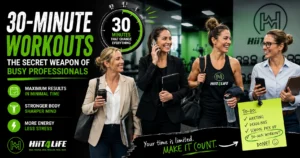
Thirty focused minutes combining resistance training and cardiovascular exercise can be incredibly effective when performed consistently.
It’s far easier to fit into real life.
And consistency almost always beats perfection.
Why More Women From Northbridge, Cammeray & Willoughby Are Choosing Boutique Fitness
Large commercial gyms certainly suit some people.
Others prefer something more personal.
At HiiT4LiFE Northbridge you’ll find:
- Coach-led sessions
- Small groups
- Individual guidance
- Low-impact exercise options
- Heart-rate monitored training
- Genuine encouragement
- A friendly community
Members travel from Northbridge, Cammeray, Willoughby, Castlecrag, Naremburn, Artarmon and across Sydney’s Lower North Shore because they want expert coaching in an environment that feels welcoming from day one.
Remember… It Isn’t About Looking Twenty Again
The goal isn’t to exercise like you did twenty years ago.
The goal is to feel your best today.
To have more energy.
To feel stronger.
To move confidently.
To improve your health for the years ahead.
Whether you’re just beginning your fitness journey or returning after years away from exercise, it’s never too late to start.
Small, consistent steps really do add up.
Frequently Asked Questions
Is strength training safe during perimenopause and menopause?
For many people, strength training is considered a beneficial part of a healthy lifestyle. If you have a medical condition, injury or concerns about beginning a new exercise programme, it’s important to seek advice from your GP or healthcare professional first.
I’ve never been to a gym before. Is HiiT4LiFE suitable?
Absolutely. Many of our members join after years away from exercise. Our experienced coaches modify exercises to suit different fitness levels and abilities.
Do I need to lift heavy weights?
Not at all. Resistance training simply means working your muscles against some form of resistance. That could include dumbbells, resistance bands, body weight or functional equipment. The focus is on safe, progressive movement—not lifting the heaviest weight possible.
How often should I exercise?
Australian physical activity guidelines recommend adults include both aerobic activity and muscle-strengthening exercise each week. The right balance will vary depending on your health, fitness level and personal goals.
Ready To Feel Stronger?
If you’re looking for a welcoming boutique fitness studio in Northbridge, close to Cammeray, Willoughby and the wider Lower North Shore, we’d love to help.
At HiiT4LiFE, we believe exercise should leave you feeling stronger, healthier and more confident—not intimidated.
Whether your goal is improving strength, supporting healthy ageing, increasing your fitness or simply feeling more like yourself again, we’re here to support you every step of the way.
Book your complimentary trial session today and discover why so many local members have made HiiT4LiFE part of their healthier lifestyle.